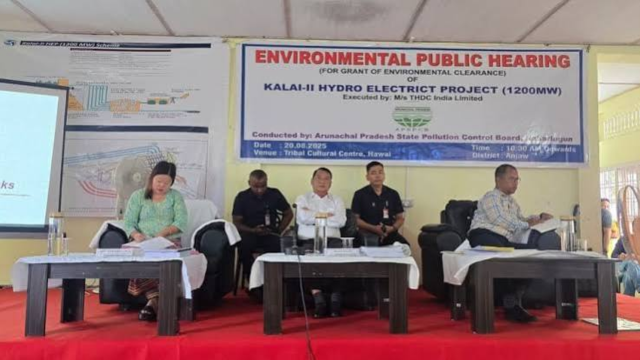
Public hearing in environmental law gives people and communities a platform to raise their concerns, objections, and suggestions about how a proposed project might harm the environment, society, and economy. Environmental public hearings in India play a key role in protecting the environment. It is designed to ensure that development projects are planned carefully so they don’t harm nature. These hearings also give local people a chance to share their views, especially if a project might affect their health, livelihood, or cultural traditions. The process is governed by the Environment Protection Act, 1986, and the Environmental Impact Assessment (EIA) Notification, 2006, which mandate a detailed study of the project’s environmental impact before it gets accepted. That’s why, these hearings are conducted before environmental clearance is granted for projects that could cause serious harm to nature, like big industrial projects or mining activities. To make these hearings effective, everyone needs to do their part: Importance of Public Participation in Environmental Governance In India, public participation is an important part of environmental governance. Below are some key reasons why the involvement of the public is crucial: Transparency and Accountability Inclusive Decision-Making Environmental Protection Strengthening Democracy Environmental Laws Governing Public Hearing in Environmental Law India Key Acts and Rules 1. Environment Protection Act, 1986The Environment Protection Act (EPA) of 1986 is India’s primary legislation aimed at environmental conservation. It empowers the central government to prevent pollution and ensures public hearings for projects with major environmental impacts. The act also forms the basis for the Environmental Impact Assessment (EIA) process, which plays a key role in these hearings. 2. Environmental Impact Assessment (EIA) Notification, 2006The EIA Notification under the Environment Protection Act (EPA) sets rules for public hearings needed for projects like industrial development, mining, and infrastructure that might affect the environment. These hearings are part of the Environmental Impact Assessment (EIA) process, giving communities, NGOs, and experts a chance to share their opinions. A public notice about the project and hearing must be issued at least 30 days in advance, with project details and EIA findings. EIA reports should be available in local languages so communities can participate effectively. After the hearing, feedback is summarized, and project developers must address the concerns raised. Authorities consider this input before granting environmental clearance. 3. Air (Prevention and Control of Pollution) Act, 1981The Air (Prevention and Control of Pollution) Act gives State Pollution Control Boards the power to manage air pollution, including controlling industrial emissions. It also involves public participation in matters related to air quality, with the boards overseeing hearings for projects that may cause significant air pollution. 4. Water (Prevention and Control of Pollution) Act, 1974This law controls water pollution, similar to the Air Act, and gives power to the Central Pollution Control Board (CPCB) and State Pollution Control Boards (SPCBs) to tackle water contamination. If projects could harm water bodies, public hearings must discuss the possible impacts on water quality. Role of Authorities 1. Ministry of Environment, Forest and Climate Change (MoEFCC)The MoEFCC is India’s main body for environmental regulation and oversees the EIA process. It issues guidelines for public hearings, evaluates feedback, and decides whether to grant environmental clearance for projects based on the EIA report and hearing results. 2. State Pollution Control Boards (SPCBs)Each state in India has a State Pollution Control Board (SPCB) that monitors pollution. SPCBs organize public hearings for local projects, ensure they meet environmental standards, and review public feedback to address concerns before the project moves forward. 3. Central Pollution Control Board (CPCB)The CPCB coordinates the work of State Pollution Control Boards (SPCBs) and oversees national pollution control efforts. It advises SPCBs and the MoEFCC on pollution issues and public hearing procedures for projects affecting air or water quality. 4. District Magistrate and Local AuthoritiesRole: Local authorities, like the district magistrate, help organize public hearings at the local level, ensuring they are accessible to affected communities and providing necessary support. Key Steps in the Public Hearing Process Notification and Public Announcement Objective:To inform the public about the project and its possible effects, encouraging their participation. Steps: Importance:This process ensures transparency and gives affected groups time to prepare for the hearing. Preparation of the Environmental Impact Assessment (EIA) Report To thoroughly examine the environmental and social effects of the project. Steps:The project proponent creates the EIA report, often with help from environmental experts.The report assesses impacts on air, water, soil, biodiversity, and communities and suggests ways to reduce harm. Regulation:The report must follow government rules and standards. Public Access to the EIA Report Objective:To provide the public with an opportunity to assess the project information and engage actively. Steps:The EIA report is shared at local offices, libraries, or online platforms.It is provided in local languages to ensure everyone can understand it. Duration:The public gets at least 30 days to review the report. Conducting the Public Hearing in Environmental Law Objective:To gather input, concerns, and recommendations from the public. Steps: Key Elements:Public opinions, environmental concerns, and project-related clarifications are discussed. Post-Hearing Actions Objective:To review public feedback and include it in the decision-making process. Steps: Outcome:This process ensures public concerns are considered in project decisions. Responsibilities of Stakeholders 1. Project Proponents 2. Public 3. Government Authorities 4. Timelines and Procedural Requirements Notification:The public must be notified at least 30 days before the hearing date. Public Access to EIA Report The EIA report must be accessible for review a minimum of 30 days prior to the hearing. Hearing Duration:The hearing is usually completed in one session unless more time is needed due to high public interest. Post-Hearing Submission:The hearing report should be sent to the regulatory authority within 7–15 days. Decision Timeline:Authorities should make a decision within 60–90 days after the hearing. Common Issues in Conducting Public Hearing in Environmental Law 1. Accessibility and Inclusivity Challenges:Hearings are often held in remote or inconvenient locations, making it difficult for local communities to attend.Language barriers and insufficient notice prevent meaningful participation, especially for marginalized groups. Impact:Leaves out vulnerable populations and reduces public trust in the process. 2. Quality and Accuracy of