June 2026

Agriculture News

Agriculture Department Launches Kharif Season Awareness Campaign

The Agriculture Department has launched a district-wide awareness campaign to help farmers prepare for the upcoming Kharif cultivation season. The initiative aims to educate farmers on best agricultural practices, seed selection, soil health management, and crop planning strategies. Officials have organized training programs in several mandals across Mahabubnagar to provide farmers with technical guidance and updated information regarding crop cultivation. Experts are advising cultivators to choose crop varieties suitable for local climatic conditions and available water resources. The campaign also focuses on promoting soil testing before sowing activities begin. Agricultural scientists explain that soil testing helps farmers understand nutrient requirements and apply fertilizers more efficiently, resulting in healthier crops and improved yields. Farmers attending the awareness sessions are receiving guidance on pest management, disease prevention, and water conservation techniques. Officials noted that adopting scientific farming practices can reduce production costs while increasing productivity. Several farmers welcomed the initiative, stating that access to expert advice helps them make informed decisions regarding crop selection and farm management. Many participants expressed confidence that the knowledge gained through the campaign will contribute to better agricultural outcomes during the Kharif season. Agricultural officers also emphasized the importance of weather-based planning and encouraged farmers to stay informed about seasonal forecasts. The department plans to continue conducting awareness activities throughout the cultivation period. Experts believe that timely preparation and proper planning are essential for achieving successful harvests. By combining traditional farming experience with modern agricultural knowledge, farmers can improve productivity and strengthen the district’s agricultural economy. As the Kharif season approaches, farmers across Mahabubnagar are actively preparing their fields and looking forward to a productive agricultural year supported by improved guidance and government initiatives.

Agriculture News

Groundnut Cultivation Continues to Strengthen Rural Economy

Groundnut cultivation remains an important source of income for thousands of farmers across Mahabubnagar district. As one of the major oilseed crops grown in the region, groundnut contributes significantly to rural livelihoods and agricultural development. Agriculture officials report that farmers have shown strong interest in expanding groundnut cultivation due to favorable market demand and improved seed varieties. Recent awareness programs conducted by the Agriculture Department have encouraged cultivators to adopt scientific farming techniques aimed at increasing productivity and reducing cultivation risks. Experts recommend the use of certified seeds, balanced fertilizer application, proper pest management, and timely irrigation practices to maximize crop yields. Many farmers who have adopted these recommendations have reported improved harvests and better profitability. Local agricultural markets continue to witness steady demand for groundnut produce, benefiting growers across the district. Farmer organizations have urged authorities to strengthen market infrastructure and provide better storage facilities to help cultivators secure fair prices for their produce. Officials highlighted that groundnut farming also supports related sectors, including oil processing, transportation, and agricultural trade. The crop therefore plays an important role in generating employment opportunities beyond farming activities. Researchers believe that continued investment in agricultural extension services and farmer training programs will further improve groundnut production in the district. They also stress the importance of crop diversification and sustainable farming practices to ensure long-term agricultural growth. With favorable weather conditions and increasing awareness of modern cultivation methods, groundnut farmers in Mahabubnagar remain optimistic about achieving strong production levels in the coming seasons.

Agriculture News

Farmers Adopt Micro Irrigation Systems to Improve Water Efficiency

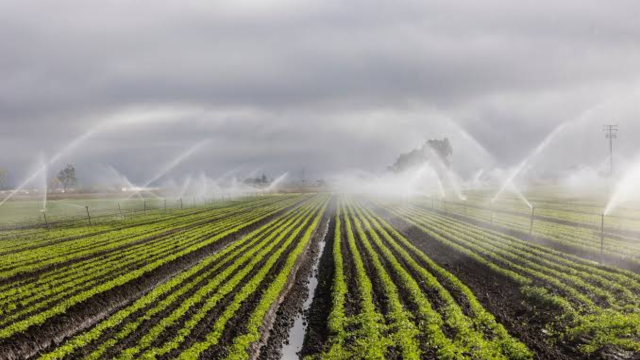
Farmers across Mahabubnagar district are increasingly adopting micro-irrigation systems such as drip and sprinkler irrigation to improve water management and enhance agricultural productivity. Agriculture Department officials report that awareness programs and government support schemes have encouraged many cultivators to switch from traditional irrigation methods to modern water-saving technologies. The district, known for facing periodic water shortages and unpredictable rainfall, has witnessed growing interest in efficient irrigation practices. Experts explain that micro-irrigation systems deliver water directly to crop roots, reducing wastage and ensuring better utilization of available resources. This approach is particularly beneficial for crops such as vegetables, fruits, cotton, and groundnut. According to agricultural officers, farmers who have adopted drip irrigation have reported noticeable improvements in crop health and yield. Reduced water consumption has also lowered operational costs, helping farmers improve profitability while conserving valuable groundwater resources. Local farmer groups have welcomed the initiative, stating that modern irrigation systems provide greater control over water distribution and reduce dependence on uncertain weather conditions. Several farmers have shared positive experiences, highlighting increased productivity and better crop quality after adopting the technology. Officials noted that the government continues to provide subsidies and technical assistance to encourage wider adoption of micro-irrigation practices. Training sessions are being organized to educate farmers about installation, maintenance, and efficient usage of irrigation equipment. Agricultural experts believe that widespread adoption of micro-irrigation can play a major role in strengthening sustainable agriculture across Mahabubnagar. They emphasize that water conservation will become increasingly important as climate patterns continue to change. With more farmers embracing modern irrigation methods, Mahabubnagar is steadily moving toward a more resilient and sustainable agricultural future.

Agriculture News

Palamuru-Rangareddy Irrigation Project Brings New Hope for Farmers in Mahabubnagar

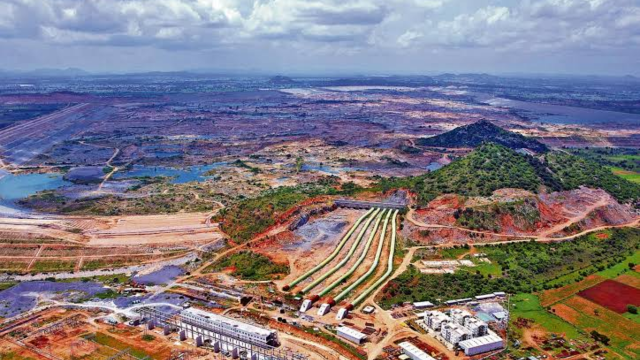
Mahabubnagar, Telangana Thousands of farmers across Mahabubnagar district are expected to benefit from the ongoing development of the Palamuru-Rangareddy Lift Irrigation Project, one of Telangana’s most ambitious irrigation initiatives. The project aims to provide a reliable water supply to drought-prone agricultural regions, enabling farmers to cultivate crops more effectively and improve their livelihoods. For decades, farmers in several parts of Mahabubnagar have depended largely on monsoon rainfall for agricultural activities. Irregular rainfall patterns and water shortages often affected crop production, leading to financial difficulties for farming communities. The irrigation project is expected to address these challenges by supplying water to agricultural lands throughout the region. Agriculture officials stated that improved irrigation facilities will help farmers increase crop productivity and diversify cultivation. Crops such as paddy, cotton, maize, groundnut, and pulses are expected to benefit from the enhanced water availability. Experts believe that access to irrigation will encourage farmers to adopt modern agricultural practices and achieve higher yields. Local farmers have expressed optimism regarding the project. Many believe that consistent water supply will reduce uncertainty during the cultivation season and allow them to plan agricultural activities more efficiently. The project is also expected to improve groundwater levels in surrounding villages, providing additional benefits to rural communities. Officials highlighted that the initiative will contribute to rural economic growth by increasing agricultural output and generating employment opportunities. Improved irrigation infrastructure is expected to strengthen the district’s agricultural sector and support long-term development. Agricultural experts noted that irrigation projects play a crucial role in ensuring food security and enhancing farm incomes. They emphasized the importance of efficient water management and sustainable farming practices to maximize the benefits of the project. As construction and development activities continue, residents and farmers across Mahabubnagar remain hopeful that the project will transform agriculture in the district and create new opportunities for future generations. The Palamuru-Rangareddy Lift Irrigation Project is widely regarded as a significant step toward improving water security and agricultural prosperity in Telangana, with Mahabubnagar expected to be among the major beneficiaries.

Breaking News

Infrastructure Development Continues Across Mahabubnagar

Mahabubnagar district has witnessed significant infrastructure development in recent years, including road improvements, public facilities, irrigation projects, and urban development initiatives. Officials report that these projects are contributing to better connectivity, improved public services, and increased investment opportunities. The district administration stated that ongoing development efforts are focused on enhancing the quality of life for residents while supporting long-term economic growth. These are ideal for your district portal because they are:

Breaking News

Tourism Promotion Gains Momentum in Mahabubnagar

Mahbubnagar Tourism: A Historical Perspective Located in the southern state of Telangana, India, Mahbubnagar has a rich tapestry of history and culture that has made it a notable destination for tourists interested in exploring the Deccan region. Known previously as Palamoor, the destination began to gain tourism prominence after the formation of Telangana state in 2014 when efforts intensified to promote its heritage and natural beauty. The Beginnings of Tourism The history of tourism in Mahbubnagar can be traced back to its historic sites and the natural attractions in the region. One of the primary tourist attractions is the Pillalamarri, an ancient banyan tree believed to be over 800 years old. The destination’s tourism potential began to be realized when the state government started to promote this site as an ideal picnic spot for locals and tourists alike. Architectural and Historical Sites Mahbubnagar’s history ranges back to the 7th century, which can be seen in the remnants of the Golconda Sultanate along with the influence of the Nizams of Hyderabad. Historical forts, like Jurala Fort and Koilkonda Fort, have gradually become points of interest for those intrigued by the region’s storied past. Over the years, these sites have been developed and maintained to improve tourist experiences. Faith and Culture Religious tourism also forms an important part of Mahbubnagar’s tourism history, with the ancient Alampur Navabrahma Temples, which date back to the 7th century, being significant to both history enthusiasts and religious pilgrims. Festivals and fairs like the annual Mahbubnagar Jatara have also contributed to attracting tourists. The Advent of Eco-Tourism In more recent years, the focus has shifted towards eco-tourism with sites like the Mallela Theertham Waterfalls and the Koilsagar Dam acting as tranquil getaways from city life. The local government has worked to make these natural spots accessible while also preserving their pristine conditions. The Impact of the Telangana Formation The formation of Telangana in 2014 marked a significant turn in Mahbubnagar’s tourism story. Increased funding and strategic development plans have been implemented to bolster tourism, which in turn has helped in improving the local economy. Emphasis on enhancing road connectivity and public amenities at tourist destinations has been a key area of focus. Engaging Modern Tourists To cater to the evolving interests of modern tourists, Mahbubnagar has diversified its offerings. Adventure tourism, including trekking in the Nallamala forests, and the promotion of local cuisine and handicrafts have gained momentum. The Farahabad Tiger Reserve is another attraction for wildlife enthusiasts looking to experience the region’s biodiversity. Conclusion Mahbubnagar’s journey as a tourist destination has been underpinned by its historical grandeur, religious significance, natural beauty, and recent developmental efforts. Today, it stands as a testament to the rich Deccan heritage of India, inviting tourists from across the world to immerse themselves in its enchanting narrative.

Breaking News

Public Hearing Conducted for Environmental Development Projects

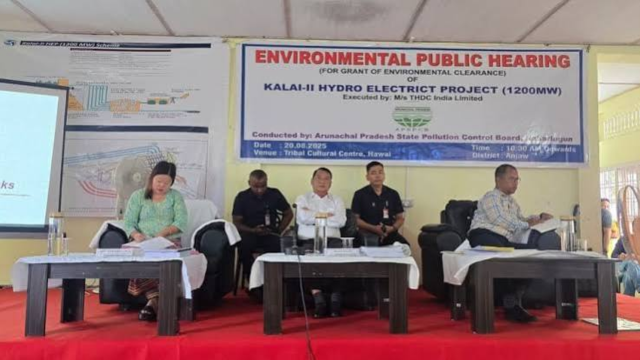
Public hearing in environmental law gives people and communities a platform to raise their concerns, objections, and suggestions about how a proposed project might harm the environment, society, and economy. Environmental public hearings in India play a key role in protecting the environment. It is designed to ensure that development projects are planned carefully so they don’t harm nature. These hearings also give local people a chance to share their views, especially if a project might affect their health, livelihood, or cultural traditions. The process is governed by the Environment Protection Act, 1986, and the Environmental Impact Assessment (EIA) Notification, 2006, which mandate a detailed study of the project’s environmental impact before it gets accepted. That’s why, these hearings are conducted before environmental clearance is granted for projects that could cause serious harm to nature, like big industrial projects or mining activities. To make these hearings effective, everyone needs to do their part: Importance of Public Participation in Environmental Governance In India, public participation is an important part of environmental governance. Below are some key reasons why the involvement of the public is crucial: Transparency and Accountability Inclusive Decision-Making Environmental Protection Strengthening Democracy Environmental Laws Governing Public Hearing in Environmental Law India Key Acts and Rules 1. Environment Protection Act, 1986The Environment Protection Act (EPA) of 1986 is India’s primary legislation aimed at environmental conservation. It empowers the central government to prevent pollution and ensures public hearings for projects with major environmental impacts. The act also forms the basis for the Environmental Impact Assessment (EIA) process, which plays a key role in these hearings. 2. Environmental Impact Assessment (EIA) Notification, 2006The EIA Notification under the Environment Protection Act (EPA) sets rules for public hearings needed for projects like industrial development, mining, and infrastructure that might affect the environment. These hearings are part of the Environmental Impact Assessment (EIA) process, giving communities, NGOs, and experts a chance to share their opinions. A public notice about the project and hearing must be issued at least 30 days in advance, with project details and EIA findings. EIA reports should be available in local languages so communities can participate effectively. After the hearing, feedback is summarized, and project developers must address the concerns raised. Authorities consider this input before granting environmental clearance. 3. Air (Prevention and Control of Pollution) Act, 1981The Air (Prevention and Control of Pollution) Act gives State Pollution Control Boards the power to manage air pollution, including controlling industrial emissions. It also involves public participation in matters related to air quality, with the boards overseeing hearings for projects that may cause significant air pollution. 4. Water (Prevention and Control of Pollution) Act, 1974This law controls water pollution, similar to the Air Act, and gives power to the Central Pollution Control Board (CPCB) and State Pollution Control Boards (SPCBs) to tackle water contamination. If projects could harm water bodies, public hearings must discuss the possible impacts on water quality. Role of Authorities 1. Ministry of Environment, Forest and Climate Change (MoEFCC)The MoEFCC is India’s main body for environmental regulation and oversees the EIA process. It issues guidelines for public hearings, evaluates feedback, and decides whether to grant environmental clearance for projects based on the EIA report and hearing results. 2. State Pollution Control Boards (SPCBs)Each state in India has a State Pollution Control Board (SPCB) that monitors pollution. SPCBs organize public hearings for local projects, ensure they meet environmental standards, and review public feedback to address concerns before the project moves forward. 3. Central Pollution Control Board (CPCB)The CPCB coordinates the work of State Pollution Control Boards (SPCBs) and oversees national pollution control efforts. It advises SPCBs and the MoEFCC on pollution issues and public hearing procedures for projects affecting air or water quality. 4. District Magistrate and Local AuthoritiesRole: Local authorities, like the district magistrate, help organize public hearings at the local level, ensuring they are accessible to affected communities and providing necessary support. Key Steps in the Public Hearing Process Notification and Public Announcement Objective:To inform the public about the project and its possible effects, encouraging their participation. Steps: Importance:This process ensures transparency and gives affected groups time to prepare for the hearing. Preparation of the Environmental Impact Assessment (EIA) Report To thoroughly examine the environmental and social effects of the project. Steps:The project proponent creates the EIA report, often with help from environmental experts.The report assesses impacts on air, water, soil, biodiversity, and communities and suggests ways to reduce harm. Regulation:The report must follow government rules and standards. Public Access to the EIA Report Objective:To provide the public with an opportunity to assess the project information and engage actively. Steps:The EIA report is shared at local offices, libraries, or online platforms.It is provided in local languages to ensure everyone can understand it. Duration:The public gets at least 30 days to review the report. Conducting the Public Hearing in Environmental Law Objective:To gather input, concerns, and recommendations from the public. Steps: Key Elements:Public opinions, environmental concerns, and project-related clarifications are discussed. Post-Hearing Actions Objective:To review public feedback and include it in the decision-making process. Steps: Outcome:This process ensures public concerns are considered in project decisions. Responsibilities of Stakeholders 1. Project Proponents 2. Public 3. Government Authorities 4. Timelines and Procedural Requirements Notification:The public must be notified at least 30 days before the hearing date. Public Access to EIA Report The EIA report must be accessible for review a minimum of 30 days prior to the hearing. Hearing Duration:The hearing is usually completed in one session unless more time is needed due to high public interest. Post-Hearing Submission:The hearing report should be sent to the regulatory authority within 7–15 days. Decision Timeline:Authorities should make a decision within 60–90 days after the hearing. Common Issues in Conducting Public Hearing in Environmental Law 1. Accessibility and Inclusivity Challenges:Hearings are often held in remote or inconvenient locations, making it difficult for local communities to attend.Language barriers and insufficient notice prevent meaningful participation, especially for marginalized groups. Impact:Leaves out vulnerable populations and reduces public trust in the process. 2. Quality and Accuracy of

Breaking News

Integrated District Offices Complex Enhances Public Services

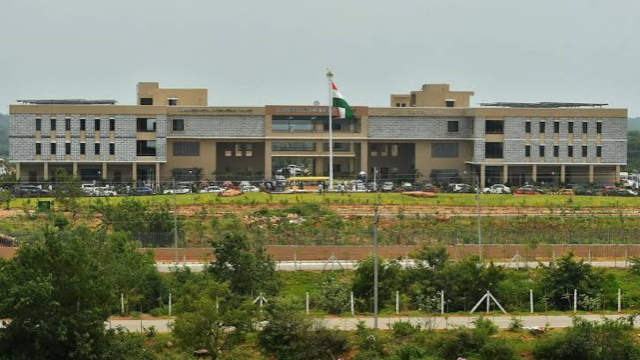
The Integrated District Offices Complex (IDOC) continues to streamline government services by bringing multiple departments under one roof. Citizens can now access various public services more efficiently, reducing administrative delays and improving service delivery. District officials noted that the facility has strengthened coordination among departments and improved accessibility for residents seeking government assistance.

Breaking News

NH-167 Four-Lane Expansion Expected to Boost Connectivity

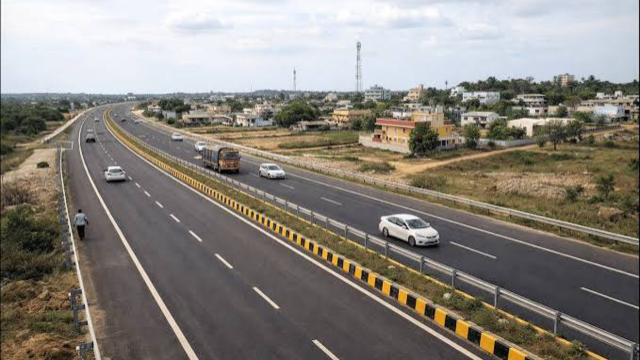
The proposed four-laning of the Gudebellur–Mahabubnagar stretch on National Highway 167 is expected to significantly improve regional connectivity and reduce congestion. The project aims to support economic growth, improve travel efficiency, and facilitate transportation for businesses and residents. Officials believe the expansion will benefit commuters, logistics operators, and local industries by reducing travel time and improving road safety standards. Hyderabad: The Union Cabinet has approved the widening of National Highway-167 from Gudebellur to Mahabubnagar on the Hyderabad–Panaji Economic Corridor to a four-lane standard in Telangana. The 80.01-km project will be executed at a total capital cost of Rs 3,175.08 crore, significantly boosting connectivity and regional economic activity in the State. The upgraded corridor is expected to reduce travel time by nearly 50 per cent, from three hours to about 1.5 hours, while strengthening seamless movement of goods and passengers. Strategic connectivity across key Highways The project alignment integrates with two major national highways, National Highway 150 and National Highway 167N, ensuring smoother inter-district and inter-state connectivity. Officials said the corridor will also provide improved access to three PM GatiShakti Economic Nodes, nine social nodes, and seven logistics nodes, facilitating multi-modal integration and faster cargo movement. Boost to economic and industrial clusters The widened highway will enhance access to key economic hubs, including NICDC projects, pharmaceutical and medical clusters, and SEZs in Hyderabad. It is expected to strengthen trade routes, support industrial supply chains, and improve farm-to-market connectivity. Districts set to benefit include: Mahabubnagar, Narayanpet, Raichur, Devarkadra, Makthal, and Hyderabad. The project is also projected to generate approximately 14.4 lakh human-days of employment during construction. State Government’s push for infrastructure growth The approval reflects sustained efforts by Telangana Chief Minister A. Revanth Reddy, who actively pursued the proposal with the Government of India. Under his leadership, several strategic road and economic corridor projects are being fast-tracked to strengthen connectivity, attract investment, and ensure balanced regional development across Telangana. With improved infrastructure, reduced travel time, and enhanced economic integration, the four-laning of NH-167 is expected to serve as a key growth catalyst for southern Telangana and adjoining regions.

Breaking News

Road Safety Measures Strengthened Across District

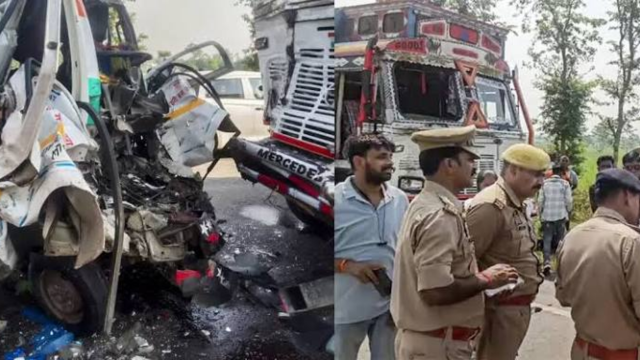
The district administration recently conducted a Road Safety Review Meeting to address increasing traffic concerns and improve commuter safety. Officials from transport, police, and municipal departments participated in discussions focused on reducing accidents and ensuring smoother traffic flow. New measures include improved road signage, stricter traffic enforcement, awareness campaigns for drivers, and identification of accident-prone zones. Authorities emphasized that road safety remains a top priority for the district. The District SP appreciated the representatives of RK Solar Tech Solutions and officials of State Bank of India for their social responsibility initiatives and cooperation in supporting public safety measures. He noted that the solar blinkers would be installed at accident-prone stretches on National Highway-16 to provide advance warning to motorists, especially during night hours and foggy conditions. The traffic stoppers will be installed in Srikakulam town, Amudalavalasa, Narasannapet, Tekkali, Kasibugga, and other high-traffic areas near educational institutions and important junctions to improve traffic discipline, regulate parking, reduce congestion, and facilitate emergency vehicle movement. The District SP urged motorists to strictly follow road safety rules by wearing helmets and seat belts, avoiding drunken driving and over speeding, refraining from mobile phone usage while driving, and obeying traffic signals and road signs. He emphasized that public cooperation is essential in reducing road accidents and ensuring safer roads for all.

Listings
News
Home
Jobs
Contact